
Lexis+ AI review 2026: pricing, fit and who it suits
9.4 out of 10, its highest score on any guide how this is calculated
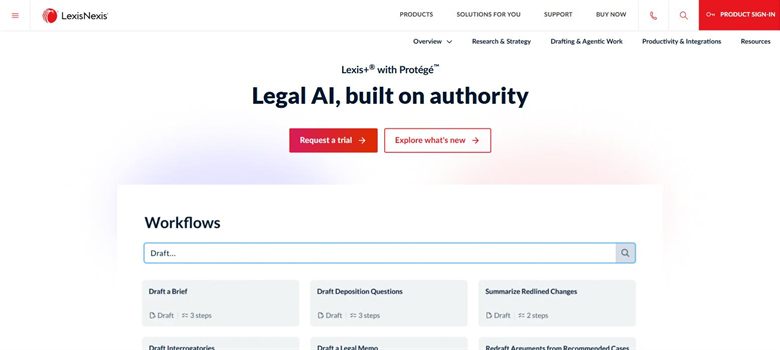
AI-assisted legal research layered over the LexisNexis database, answering research questions with citations back to source material.
What it costs
No public list price. Reported at approximately $3,000 to $8,000 per user a year for core services, with specialist modules charged separately. The database licence and the AI layer are usually priced as one.
How it scores, and where
We score a tool for the job each guide is about rather than giving it one number everywhere, so Lexis+ AI scores differently depending on what you are trying to do. These are its actual scores on the guides it appears on. How we score.
| Guide | Ranked | Score |
|---|---|---|
| 6 Best AI Legal Research Tools in 2026 | 1 of 6 | 9.4 |
| 7 Best CoCounsel Alternatives in 2026 | 1 of 7 | 9.4 |
| 7 Best Harvey Alternatives in 2026 | 2 of 7 | 8.7 |
| 7 Best AI Tools for Law Firms in 2026 | 3 of 7 | 8.0 |
| 6 Best AI Tools for Solo Practitioners in 2026 | 4 of 6 | 6.9 |
| Best AI Tools for Shareholder Agreements in 2026 | 6 of 6 | 5.3 |
Fit by buyer
Scored 1 to 5, where 5 means the tool was built for that buyer. Scope is how much of the job it does. These are the same scores used on every guide Lexis+ AI appears on. How we score.
| Lawyer in Word | In-house legal | Commercial team | Enterprise | Scope | Price |
|---|---|---|---|---|---|
| 4 | 4 | 1 | 4 | 4 | Reported |
Who it suits
Teams already holding a LexisNexis subscription who want the AI layer over content they license, particularly where an answer needs a citation somebody can check.
Who should look elsewhere
Anyone expecting it to draft or review your contracts, since it answers the question behind a clause rather than working on the clause. Buyers should also read the Stanford RegLab study, which found it produced incorrect or misgrounded responses on more than 17% of tested queries against a vendor claim of hallucination-free citations.
Limitations
Priced per user per year on top of a database subscription, which puts it out of reach for small firms and most in-house teams. Coverage outside the US and UK is patchier than the marketing suggests, and the interface carries decades of accumulated complexity.